🌟 Farándula
Erin Patterson appeal: Mushroom murderer's trial undermined by hotel mix-up, court told
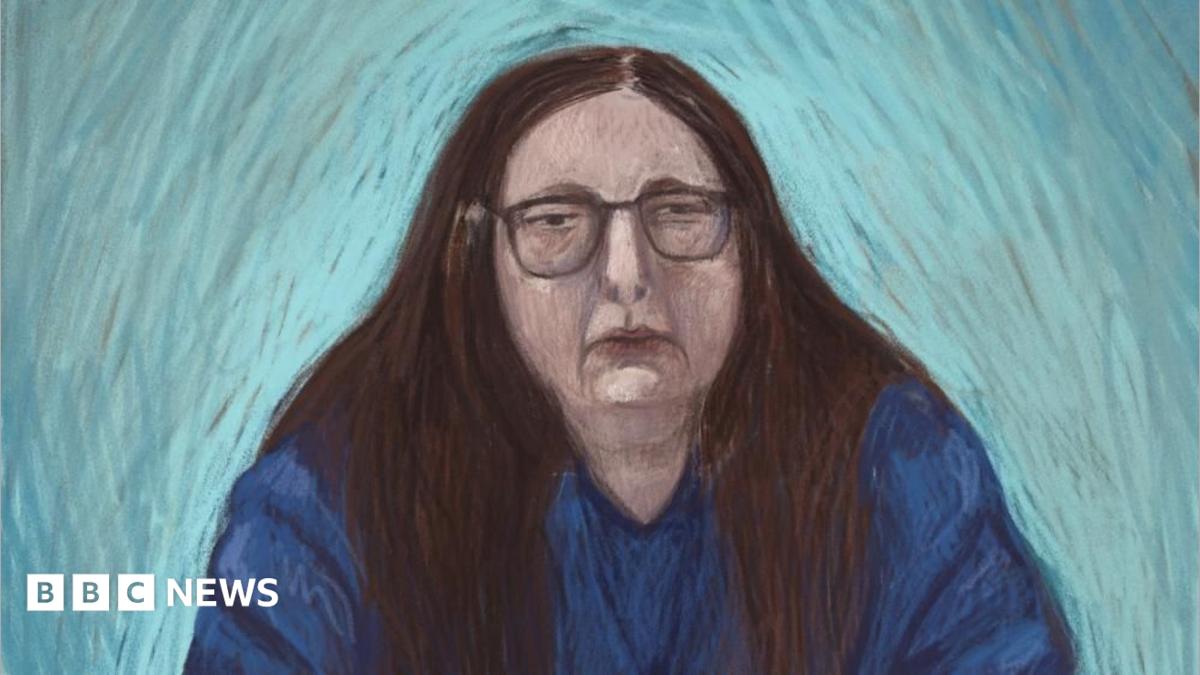
Erin Patterson's legal team has filed an appeal against her conviction for killing her relatives with a beef Wellington laced with toxic mushrooms, arguing that a "catastrophic" hotel mix-up may have undermined the original murder conviction.
The case has gripped Australia since Patterson was found guilty of murdering three family members — her former mother-in-law, her former partner's mother, and his brother — who all died after consuming a lunch prepared by Patterson at her home outside Melbourne. The victims died from poisoning by death cap mushrooms (Amanita phalloides), one of the most lethal fungi on Earth.
According to court filings reported by the BBC and ABC News, Patterson's defence team argues that critical evidence may have been compromised due to a mix-up at the hotel where some of the forensic samples were being stored. The defence claims the "catastrophic failure" of hotel storage conditions calls into question the chain of custody for the mushroom toxin analysis.
"The prosecution's case relied heavily on the forensic analysis of the mushrooms served at the lunch," said legal experts. "If the chain of custody was broken, the entire forensic foundation of the conviction becomes questionable."
The appeal was filed at the Victorian Court of Appeal in Melbourne, where Patterson's legal team will argue that the trial judge should have granted a mistrial or at least allowed more extensive cross-examination on the handling of the mushroom specimens. Court hearings are expected to begin later this year.
Patterson has maintained her innocence throughout the proceedings, denying any intentional wrongdoing. Prosecutors, however, portrayed her as a beneficiary of the deaths, suggesting she stood to gain financially and emotionally from the tragedies.
The case has drawn widespread media attention across Australia and internationally, with outlets including The Guardian, Bloomberg, ABC Australia, and Al Jazeera covering the developments. Many have noted the unusual nature of the case — involving death cap mushrooms, a rare and typically accidental cause of death, being treated as a deliberate crime.
"This is perhaps the first high-profile criminal case in Australian legal history where death cap mushrooms were the primary forensic evidence," said one legal analyst. "The precedent-setting nature of this appeal could have far-reaching implications for how forensic food-toxin cases are prosecuted in the future."
As the appeal process unfolds, the families of the victims have expressed mixed emotions — some reliving the trauma of the original trial, while others express cautious optimism that the courts will thoroughly examine the forensic evidence integrity.
The mushroom species involved, Amanita phalloides, contains amatoxins that target the liver and kidneys, with death typically occurring within 48 hours of ingestion if untreated. The fact that multiple members of the same family died from the same meal has made this case particularly devastating for the surviving relatives.
Whatever the outcome of the appeal, the Erin Patterson case has already left a lasting impact on Australian legal and medical communities, highlighting the importance of proper forensic handling in cases involving natural toxins and the profound human toll when a shared meal turns fatal.
As court dates approach, all eyes will be on the Victorian Court of Appeal to see whether the "catastrophic hotel mix-up" argument will succeed in overturning or modifying one of Australia's most unusual murder convictions in recent memory.